The Competition Format
The John Widdall Trophy calls for a set of four images drawn from at least two different genres, making it both a creative and thought‑provoking challenge. To ensure fair judging, each set is temporarily separated so that the judge can view, comment on, and mark images within their specific categories, which are:
- Panorama
- Montage
- Architectural Record
- Close-up and Tabletop
There is also an element of strategy involved, as entrants must carefully consider how to divide their images across a maximum of three sets to present their work to best advantage and maximise the chance of a win!
Fair and Thoughtful Judging
At the end of the evening, the original sets are reassembled and their marks combined to give the total score for each set. While this approach may sound complex, its purpose is simple: it allows each image to be judged against others in the same genre, creating a more balanced comparison… genres sometimes undervalued as ‘just record work’ are able to be fully recognised for the skill that goes into producing them… and to shine in their own right.
Our Judge
This year we were delighted to welcome, as our judge, Richard Speirs DPAGB, HonPAGB, HonNCPF, from Dalston Photographic Society in Cumbria. He brought to the task not only a wealth of knowledge and expertise, but also offered thoughtful and encouraging feedback throughout. Richard’s insightful comments, combined with a warm and engaging sense of humour (which sparked lots of chuckles in the audience at times), made the judging both informative and thoroughly enjoyable for everyone involved.
Entries and Results
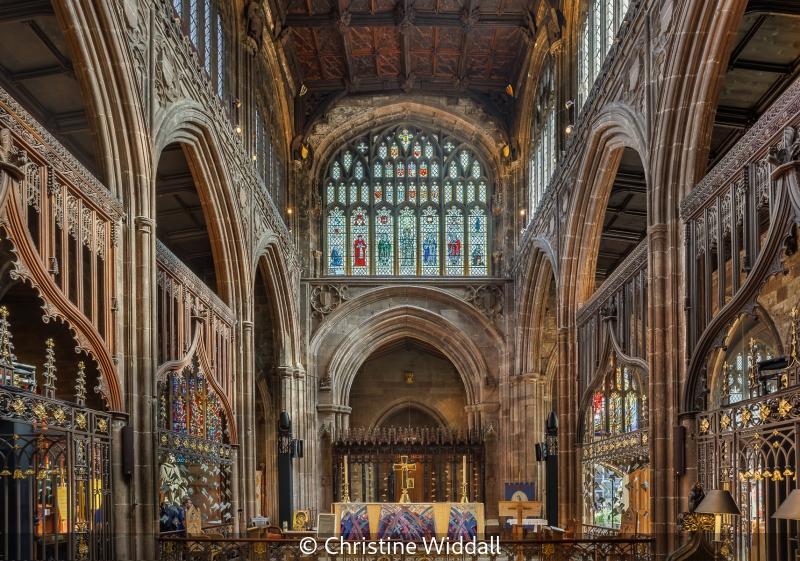
We were delighted to receive a bumper entry, with 24 sets submitted, showcasing both the enthusiasm and high standard of photography within the club. Christine Widdall had a particularly successful evening, emerging as joint winner with two of her three sets. The competition was very close throughout, with Eddie Leach and Christine Widdall’s remaining set sharing the runner-up position.
There were also some really fine examples of work in sets that didn’t reach the top four, notably some beautiful memento mori images from Gary Waidson, Jane Henthorn’s exciting new moth close-ups and a very fine record photograph of Chester Cathedral by Pat Noon, to name just a few.
Overall, it made for a strong and engaging competition, with a wide range of images for everyone to enjoy and appreciate, a real credit to the high standard and versatility of our membership.
The joint winning sets
Christine’s Set A:

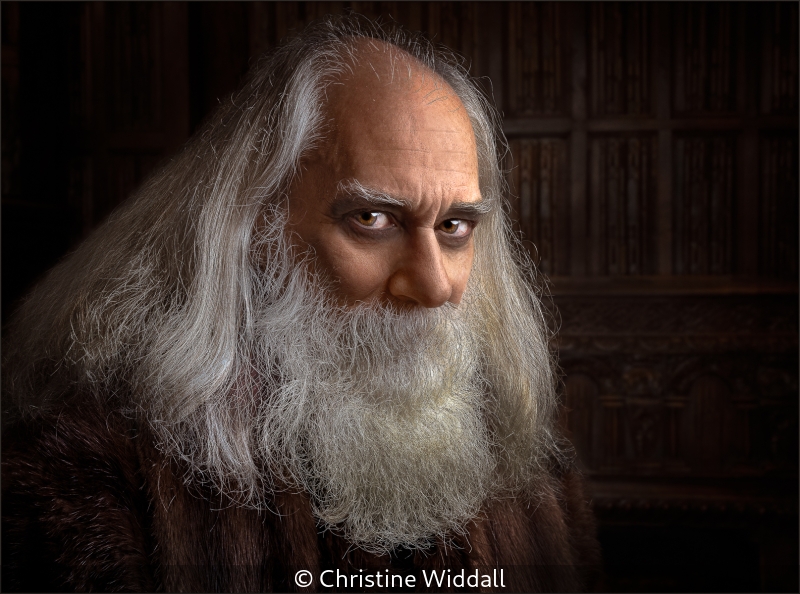
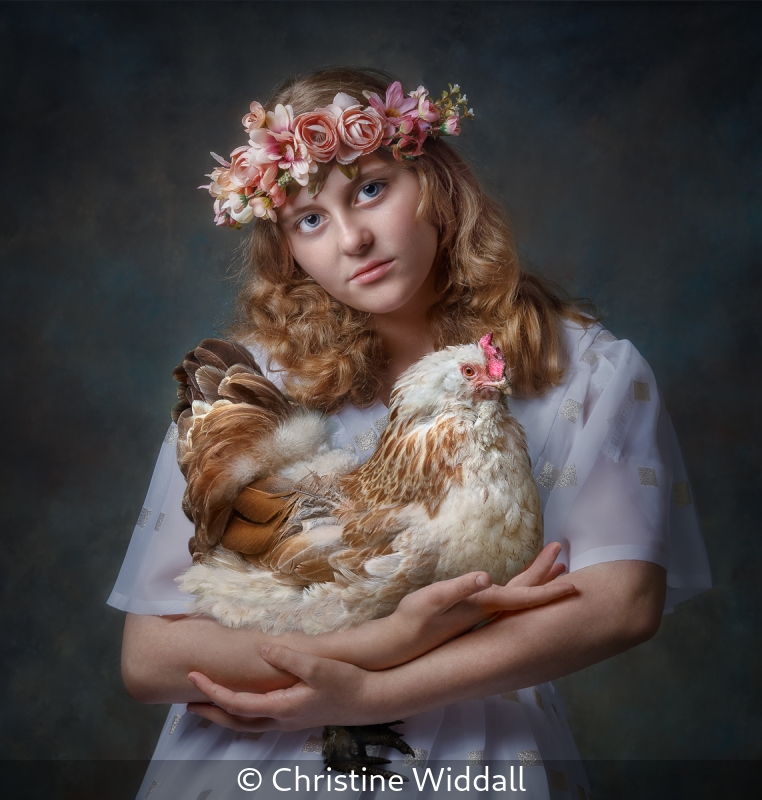
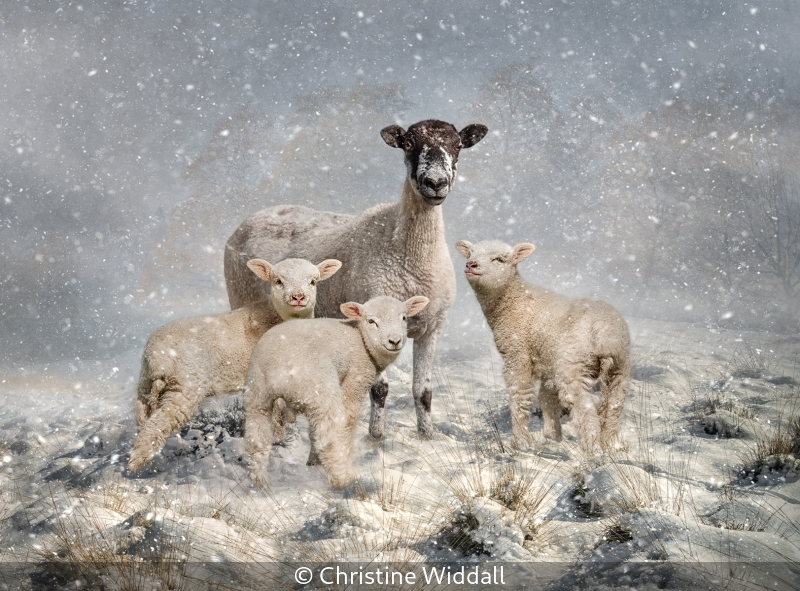
Christine’s Set B:


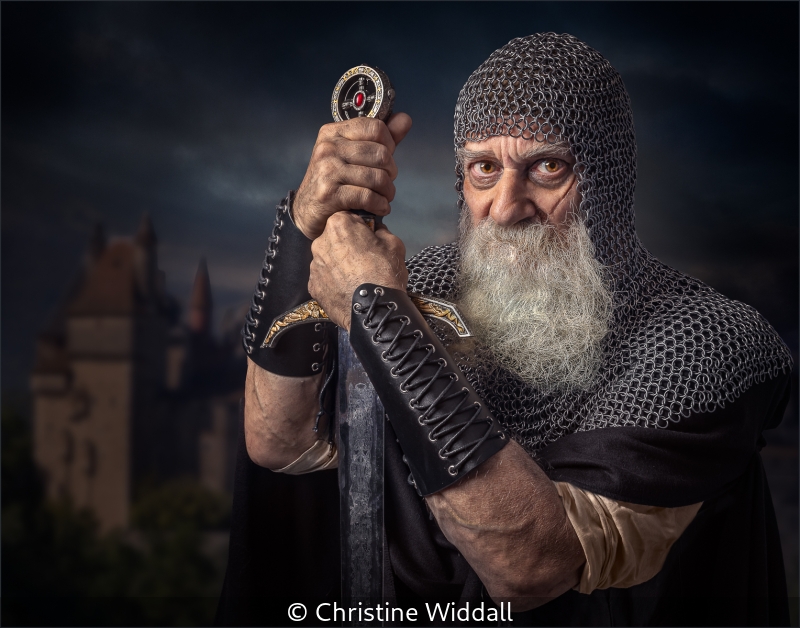
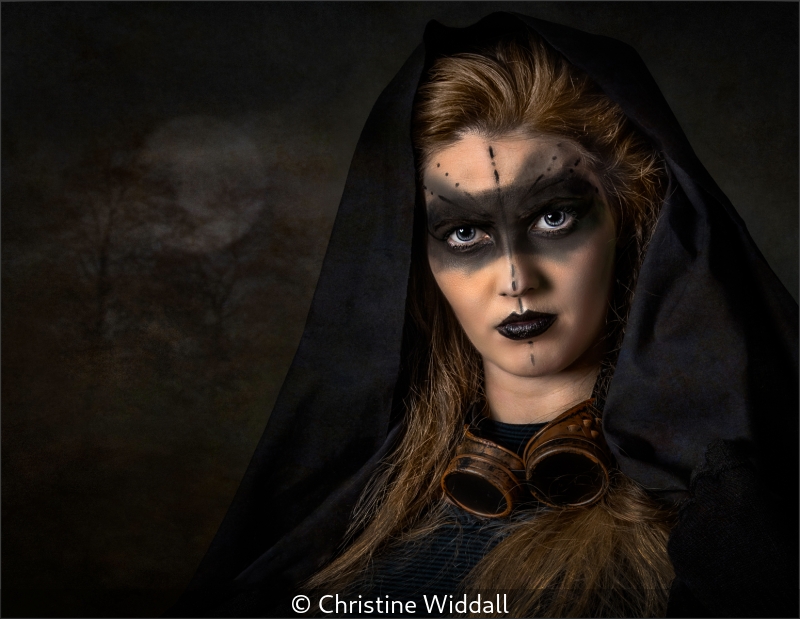
The two runner-up sets
Christine’s Set C:
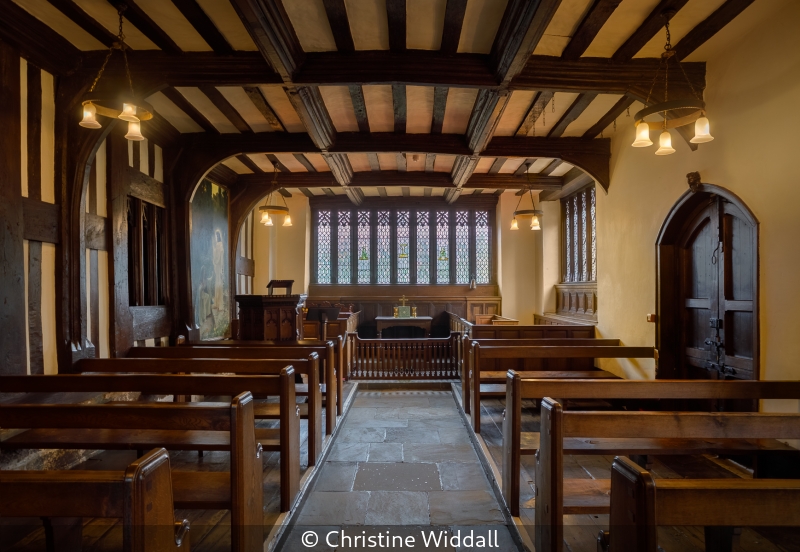
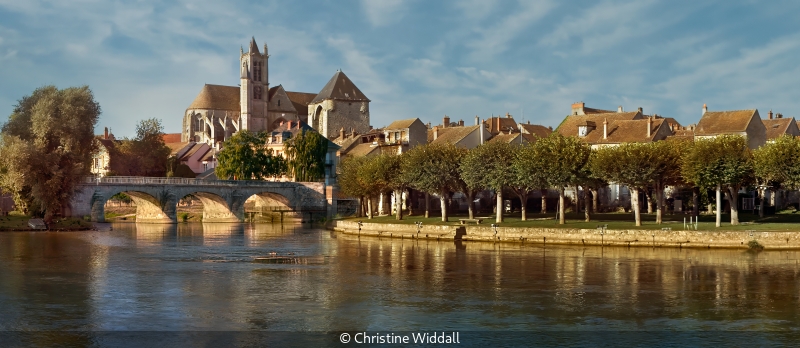
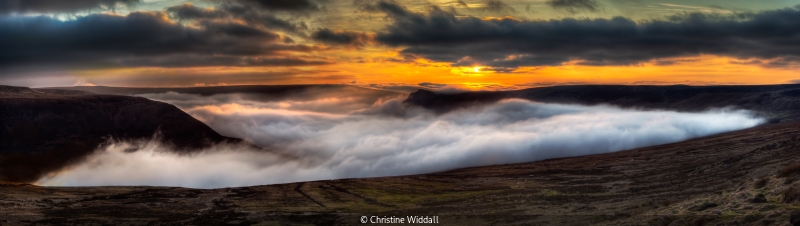
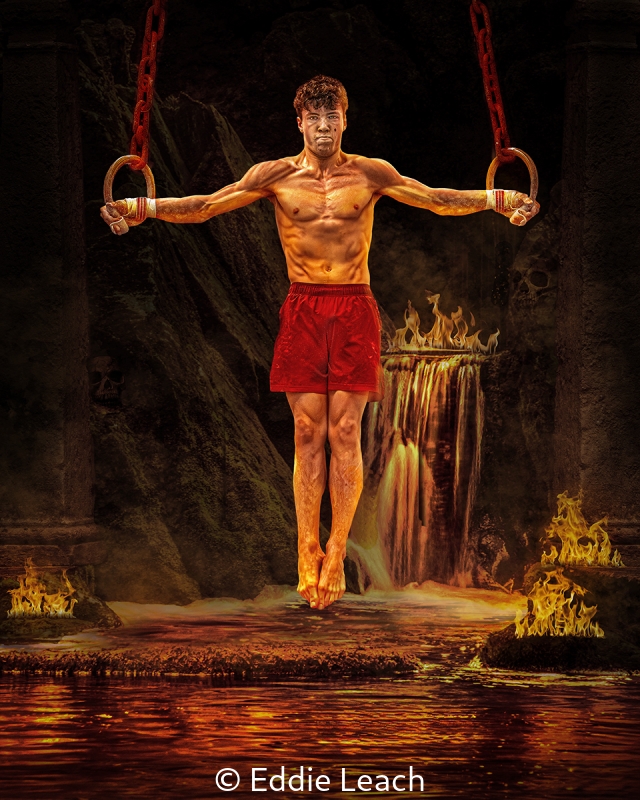
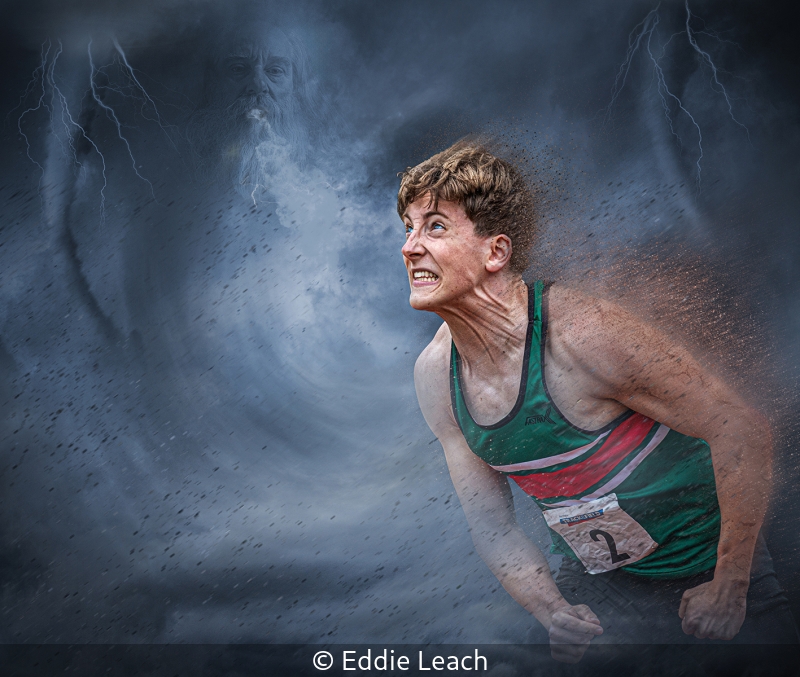
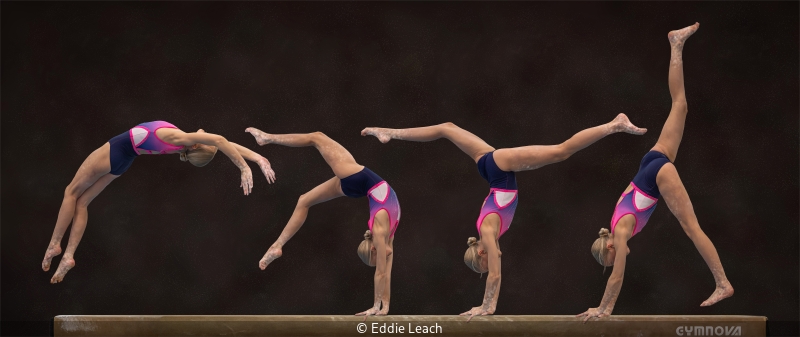
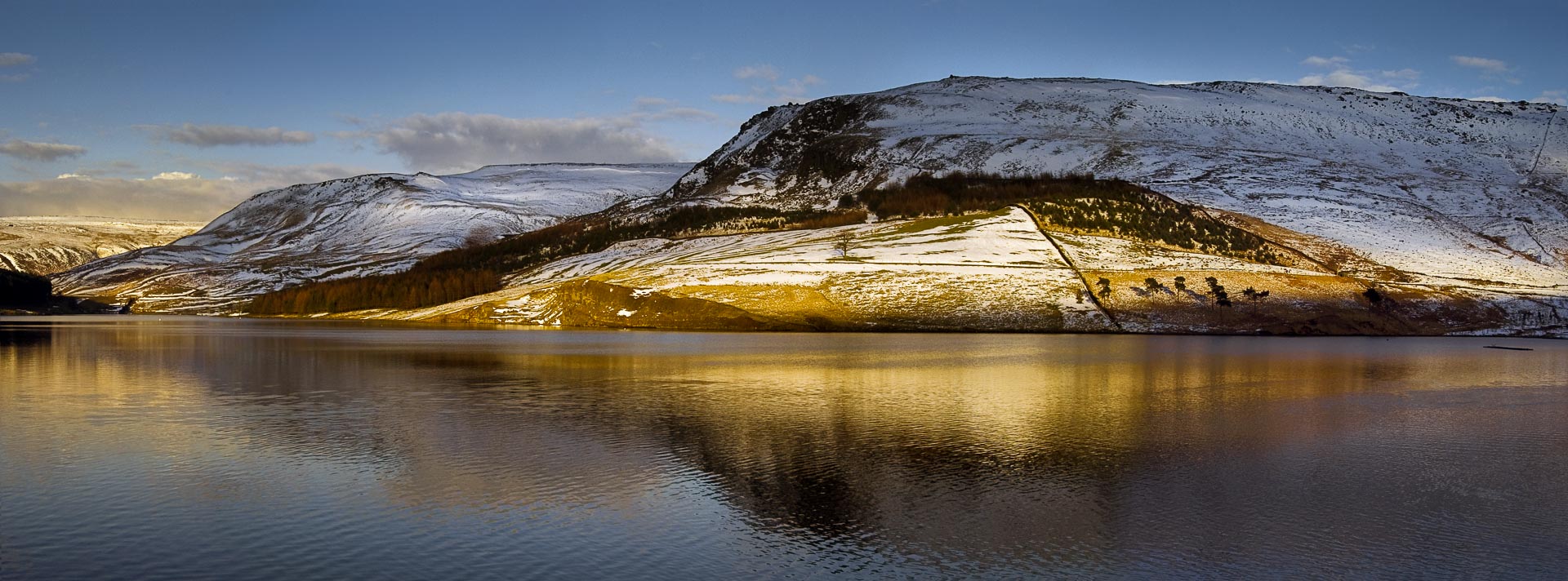
Eddie’s Set A: